×
Your roof is one of the most critical areas of your property. It’s exposed to intense sun, heavy rain, high humidity, and hurricane season every year. When it’s doing its job, you barely notice it. If it fails, it needs immediate attention.
In the U.S., severe weather is among the top reasons for property damage, and roofing systems usually bear the brunt of the damage. According to the Federal Emergency Management Agency (FEMA), wind and storm events are consistently some of the most costly natural disasters that affect homeowners. That’s why choosing the right roofing contractor isn’t just a routine decision.
As a homeowner or business owner, the quality of your roof replacement or repair directly affects your safety and insurance costs.
At Top Florida Roofing, we help homeowners and businesses across South Florida protect their properties with roofing systems built to withstand our climate.
 Why Your Choice of Roofing Contractors Matters
Before comparing prices, shingle types, or warranty options, it’s important to know why the type of contractor you hire has such a direct impact on how your roof performs.
Many homeowners consider the roof to be a layer of asphalt shingles. In fact, it’s an entire system consisting of underlayment, flashing, ventilation, insulation, and accessories all working together.
If even one of the components is not installed properly, the entire system can fail. A good roofing contractor should explain:
Good contractors focus on the entire system, not just surface-level work. That approach reduces callbacks and protects your home long term.
Not every roofer has experience handling both residential and commercial projects. The structural requirements of a commercial roof are very different from those of a residential roof.
A contractor who has worked with both understands:
When searching for a roofing contractor in your area, check their experience with residential and commercial projects. That tells you a lot about their expertise.
It’s not always obvious whether you need a minor repair or a full roof replacement. Some of the common warning signs are:
A reputable roofing company should inspect your roof and give you a clear, honest estimate. If a repair is enough, they should say so. If replacement makes more sense because of storm damage or age, they should explain exactly why.
Top Florida Roofing emphasizes transparent inspections so homeowners clearly understand what’s happening before making a decision.
Many homeowners avoid roof repairs and replacements because they’re unsure what the process involves. That’s understandable—your roof is your home’s primary protection against the elements. However, the process is straightforward and handled step by step by an experienced roofing professional.
Here’s what the process typically looks like.
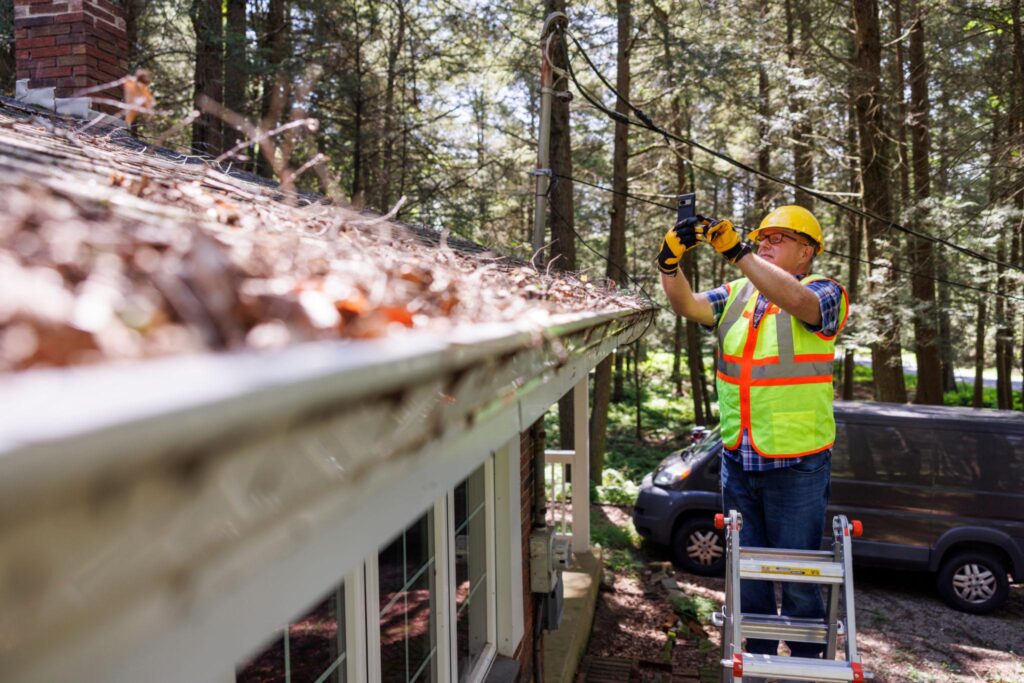
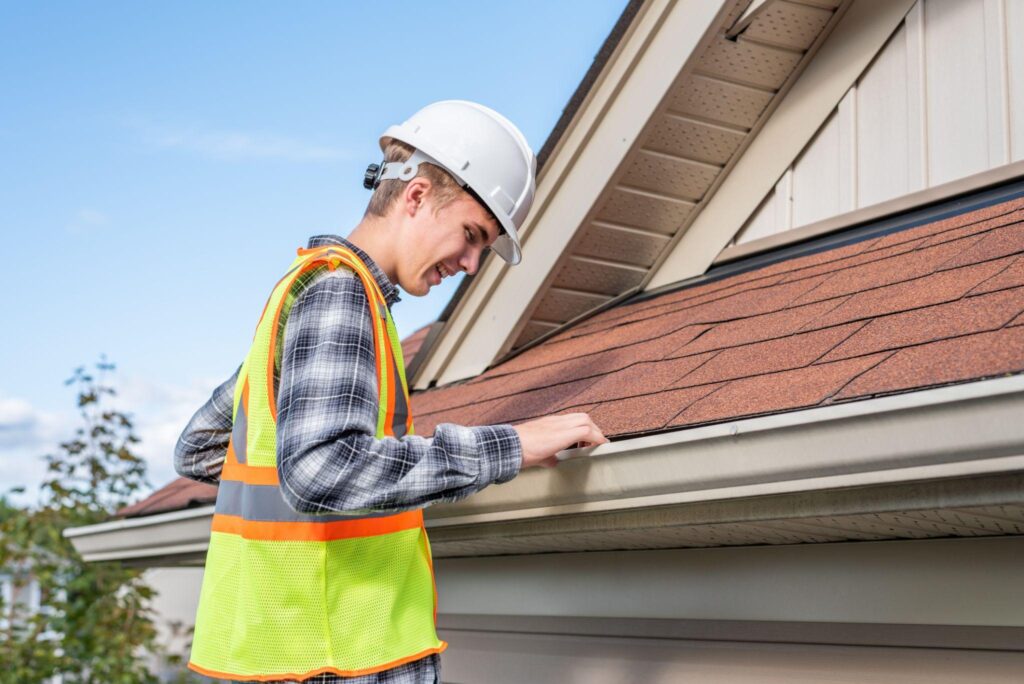
Every roof repair or replacement starts with an inspection. A professional roofing contractor doesn’t make assumptions. They inspect the entire roof to identify existing damage and potential issues.
A typical inspection may include:
Proper attic ventilation plays a major role in how long a roof lasts. Without balanced airflow, trapped heat and moisture can warp materials and shorten the roof’s lifespan even if it was installed correctly.
After the inspection, you should have a clear picture of what’s happening. If the roof can be repaired, you should understand why. If replacement is necessary, you should understand why repairs won’t solve the problem.
You should get a clear, honest explanation.
Next, the contractor provides an estimate based on the scope of work. A good roofing contractor will explain the estimate in detail, which includes labor costs, materials used, timeline, and warranty provided. Homeowners should clearly understand what’s being done and what they’re paying for.
If a new roof is needed, you’ll be shown material options based on the type of property and budget constraints. Common roofing systems include:
Each roofing system serves a different purpose. A homeowner might want to look for a roof that looks good and stays cool during the summer months. A business owner might want a roof that lasts a long time and requires little maintenance. A good contractor will explain each roofing system and its benefits in simple terms so you can make an informed decision.
There should be no guesswork and no confusing terminology. A detailed estimate builds trust before the work begins.
Proper preparation matters just as much as installation. The materials are delivered and arranged neatly before the work begins. Landscaping, driveways, and other external areas are covered and protected from damage.
For homeowners, minimizing disruption is part of good service. For a business owner, good coordination with the management team is vital to prevent disruptions to business operations.
An experienced roofing contractor understands that the roof is just one part of the property as a whole. Protecting the areas around the home is just as important.
If it is determined that the roof should be replaced, the current materials will be removed. This is an essential part of the job. It allows the contractor to inspect the roof deck and identify any potential damage that may have occurred.
If the decking is damaged by water or age, it will be repaired before the new system is installed. Skipping this step can lead to problems later, so it must be done correctly.
A properly installed roof is more than just placing shingles on top of wood. A properly installed roof system includes:
Florida has very specific building codes, especially with wind exposure and the threat of a hurricane. A certified and competent roofing contractor is responsible for ensuring that the roof is installed to meet or exceed building code requirements. Proper installation isn’t optional; it’s required.
For commercial roofs, drainage and sealing of the membranes are essential. The correct slope and flow of water protect the building from water damage.
Installation isn’t the final step. Once the roof is in place, a comprehensive inspection is carried out to confirm that the installation meets building codes and manufacturer specifications.
Afterward, the crew completes a full site cleanup, using magnetic rollers to collect nails and debris and removing all leftover materials to leave the property safe and orderly.
Before closing the project, the team provides the homeowner or business owner with essential documentation and guidance on basic roof care, warranty details, and what steps to take if any issues arise. This handover ensures the owner understands how to maintain the roof and respond to potential problems.
When the job is done right from start to finish, the roof performs reliably for years to come. Additionally, future maintenance, repair, or replacement will be straightforward.
Understanding the difference between targeted restoration and total replacement will save you thousands. Roof repair is usually an option when:
In these cases, repairs can extend the life of your roof without the cost of a full replacement. Full roof replacement may be the better option when:
A new roof allows you to have updated roofing material, increased insulation performance, and a new warranty. When it is properly installed, it adds to the value of the property and is also energy efficient.
Not all contractors operate at the same level. Certification helps ensure that a contractor meets established quality standards.
In Florida, where storms are common, a poorly installed roof can cause you to lose your warranty as well as your insurance coverage. Working with an experienced, independent contractor protects your investment.
Before the contract is signed, ask for details about the warranty. A good warranty should state:
Top Florida Roofing is a firm that is committed to providing quality residential as well as commercial roofing services. From small repair jobs to full replacement of roofs, the focus is on quality service.
For the homeowner, this means a sense of security. For business owners, this means a smooth operation.
Florida homeowners know storm season is serious. High winds, heavy rain, and flying debris may compromise even well-installed roofing systems.
If your roof is damaged by a storm, the process usually involves:
An experienced roofing contractor will be able to identify the damage that may not be easily detectable from ground-level. Top Florida Roofing regularly assists homeowners with insurance claims by providing clear documentation and realistic repair or replacement estimates.
True restoration is not simply putting shingles back on. Comprehensive service may include:
Choosing a roofing company that offers comprehensive restoration services will ensure that the entire system is worked on and not just visible damage.
 How to Determine a Roofing Contractor You Can Trust
Searching “roofers near” or “roofing contractor near me” may bring up dozens of results. Narrowing that list requires careful assessment.
A legitimate roofing contractor should have:
This protects both the homeowner and the crew. Checking BBB standing may also provide insight into complaint resolution and the communications history of customers. Top Florida Roofing has transparent documentation about their license and insurance, and maintains open communication throughout the project.
Ask specific questions regarding the installation of the roof. Key questions should include:
A good roofer should be able to confidently explain the services they provide, as well as how each part is involved in providing long-term protection.
In a competitive business such as roofing, trust isn’t built through marketing; it’s built through performance. Trusted roofing contractors provide:
Top Florida Roofing makes sure clients understand the full scope before work starts.
Roof installation requires a certain amount of coordination from trained and safety-conscious workers, as well as experienced supervisors.
Quality installation includes:
When installation is done right from the very beginning, performance in the long term improves significantly. Professional contractors protect landscaping and keep the job site organized. They also do a final inspection before completing the job.
Those little details help to build long-term trust.
If you’ve noticed leaks or storm damage, taking action now helps protect your family and your investment. For business owners, quick action protects both operations and reputation.
Certified roofing experts who offer dependable roof repair and replacement services offer more than just labor; they offer accountability, safety, and real value for your investment.
If you suspect damage to your roof or think your roof is aging, it’s time to have it inspected. With the right guidance, you can decide whether repair or replacement makes more sense.