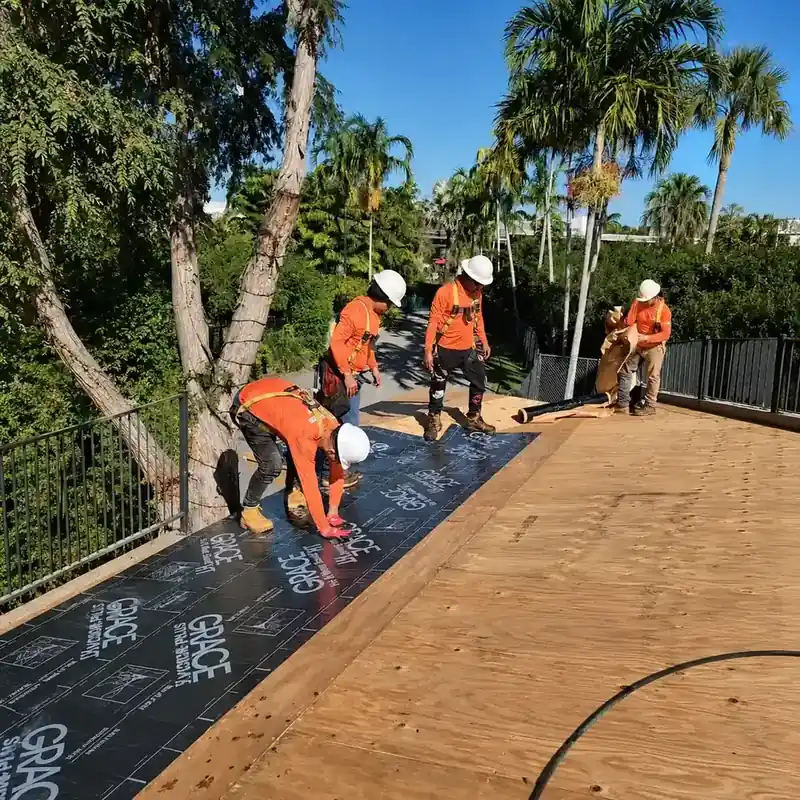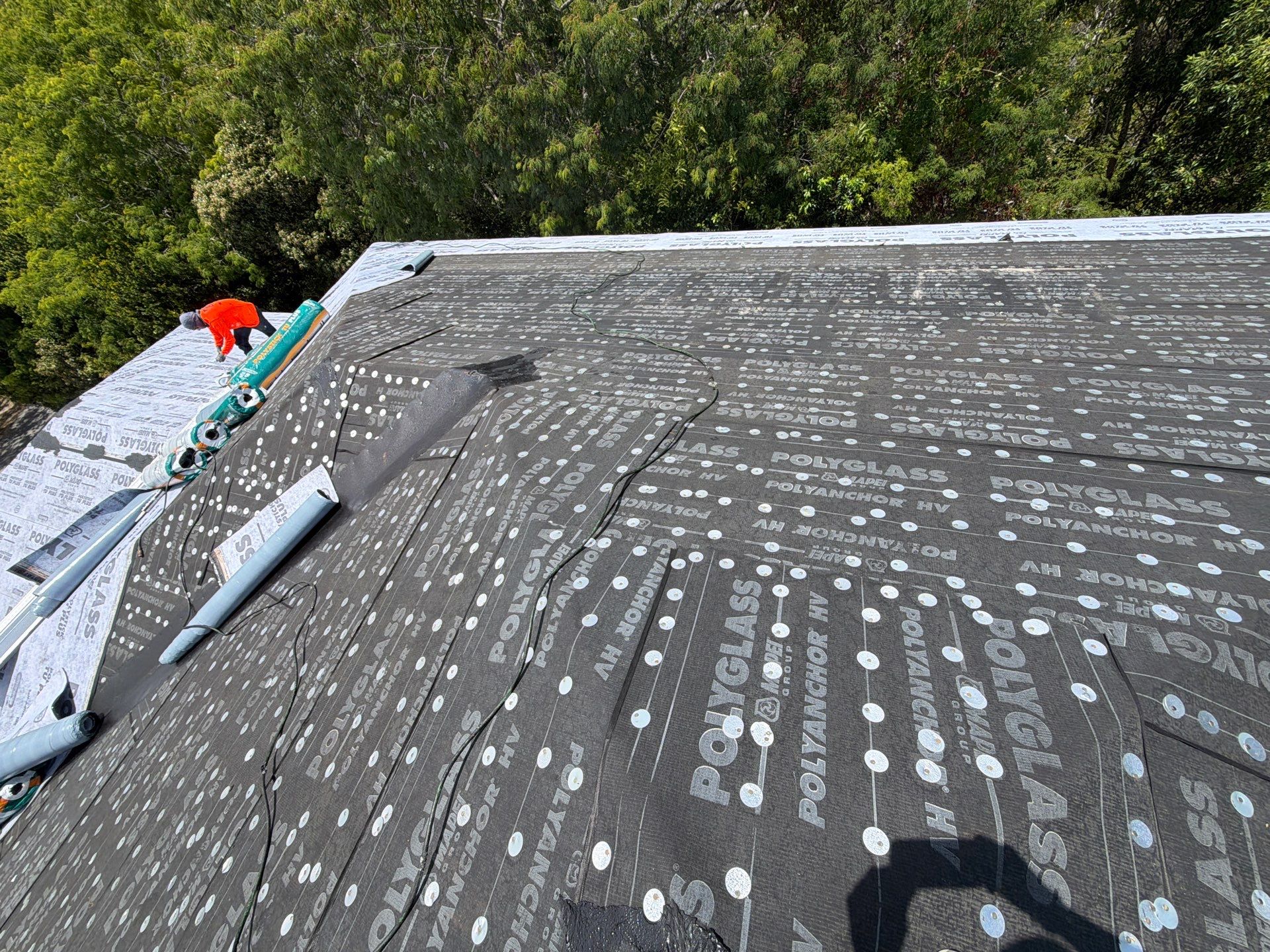
Metal roof noise depends on more than the metal panels. Rain intensity, panel design, the roof deck, underlayment, insulation, ceiling construction and the room below can all affect what a homeowner hears. A roof over an open structure is not a useful direct comparison with a complete residential roof assembly.
Some rain sound is possible with any roof. A well-designed assembly can help manage it, but a contractor should not promise that metal is always indistinguishable from shingles or that a particular decibel difference will be inaudible to everyone.
What noise measurements can establish
Decibels describe a measured sound level; they do not create a universal threshold for whether a person will notice a change. Perception also depends on frequency, background noise, duration and the listener.
A reported 6 dB difference should not be dismissed as inherently inaudible. Equally, a comparison from one test should not be presented as the exact difference between every metal and shingle roof. Measurements taken at different rain intensities or in different rooms cannot be treated as an apples-to-apples comparison.
When reviewing a performance claim, ask what was measured: rainfall-generated sound, airborne sound transmission or another acoustic property. A rating for one does not automatically establish performance for all the others.
Assembly features that affect sound
- Support and deck: panel support and the materials beneath the roof affect vibration and transmission.
- Underlayment: some specialized systems may contribute to acoustic performance, but a roofing underlayment's primary approval does not necessarily document noise reduction.
- Insulation and ceiling: their type, placement and continuity influence sound reaching the occupied room.
- Panels and attachment: profile, thickness, support and fastening affect the assembly. Their interactions matter more than a simple rule that one feature is always quieter.
- Ventilation and moisture design: sound-control changes must not compromise the assembly's condensation management or weather resistance.
Standing-seam clips do not automatically create an approved above-sheathing ventilation system. If an air space is proposed, ask how it is designed, supported and documented for the exact assembly. Do not assume a clip height alone provides effective ventilation or a predictable acoustic benefit.
How to interpret acoustic research
A paper presented at Acoustics 2018 studied corrugated metal specimens with a particular damping compound, and one assembly combining the compound with insulation. The tests illustrate that acoustic treatments can improve the measured performance of specific assemblies.
However, the specimens, roof pitch, materials and controlled heavy-rain conditions were defined by that experiment. The author was affiliated with the damping-product manufacturer. The results are not a general guarantee for a Florida standing-seam installation or proof that every home will experience the same reduction.
Ask for evidence relevant to the proposed construction rather than selecting the largest reduction from a research table. An acoustic product or coating must also be approved by the relevant manufacturers for its intended use. Do not apply a damping compound, add layers or change fasteners without checking compatibility, installation requirements and warranty implications.
Investigating an existing noise concern
Record when the sound occurs, the affected room and whether it accompanies rain, wind or temperature changes. A recording may help explain the concern, but a phone reading is not equivalent to a controlled acoustic test.
Request an assessment of the actual assembly and visible defects. Unusual rattling or movement deserves investigation, but hearing rain does not by itself prove poor workmanship. Do not add screws, walk the panels or modify the roof to test a theory.
For a serious noise-sensitive space, consider whether an acoustic professional should advise on the roof and ceiling together. Additional attic insulation alone may not resolve every sound path.
Questions before signing a contract
- What deck, panel, underlayment, insulation and ceiling conditions are included in the comparison?
- Is the acoustic claim based on a comparable tested assembly, or only a general marketing statement?
- Are proposed mats, coatings or air spaces compatible with the manufacturer's approved roof system?
- How will moisture, ventilation, fastening and applicable wind requirements be handled?
- What workmanship and product terms are actually provided, and do they contain any acoustic commitment?
- What inspection or follow-up process applies if the completed roof produces an unexpected sound?
A general certification or roofing warranty does not automatically guarantee a particular indoor sound level. Put any performance commitment in writing and distinguish it from ordinary installation coverage.
Discuss your concerns with Top Florida Roofing when comparing metal roofing options. Request a proposal that identifies the complete assembly rather than relying on a promise of a silent roof.
Frequently asked questions
Are metal roofs always louder than shingles?
No universal answer applies to every home. Compare complete assemblies under similar conditions. Material alone does not establish the indoor sound level.
Is a 6 dB difference too small to hear?
It should not be treated as universally inaudible. Whether a difference is noticeable depends on the sound and listening conditions, not an across-the-board 8 dB rule.
Does standing seam automatically provide acoustic insulation?
No. Seam style and clips are only parts of the assembly. Any acoustic or ventilation feature needs its own design and supporting evidence.
Can I add a coating to quiet an existing metal roof?
Do not apply an unapproved product yourself. A qualified professional should evaluate access, compatibility, moisture performance and manufacturer requirements before recommending a modification.
- Acoustics 2018: The effectiveness of utilising a damping compound for attenuating rainfall noise on metal roofing — experimental findings for specified corrugated-metal specimens; not a universal residential performance promise.
- Acoustical engineering report hosted by the Town of South Windsor — background discussion of sound-level changes and perception, not a roof-performance test.