The short answer
A leaking or damaged roof does not automatically mean you need a new one. Localized damage on a serviceable roof may call for repair, while recurring leaks, widespread deterioration, structural damage, or an aging system can point toward replacement.
Miami homeowners also need to account for heavy rain, intense sun, high humidity, wind exposure, and applicable building requirements before deciding how much work is necessary.
This guide explains the signs that typically point toward roof repair or replacement, what a roofing professional should inspect, and how to make a more informed decision before spending money on your roof.
Roof repair vs. roof replacement: what is the difference?
Roof repair addresses a specific problem while keeping most of the existing roofing system in place. Examples include an isolated leak, damaged or missing shingles, localized flashing problems, a small wind-damaged area, or certain roof penetrations and components.
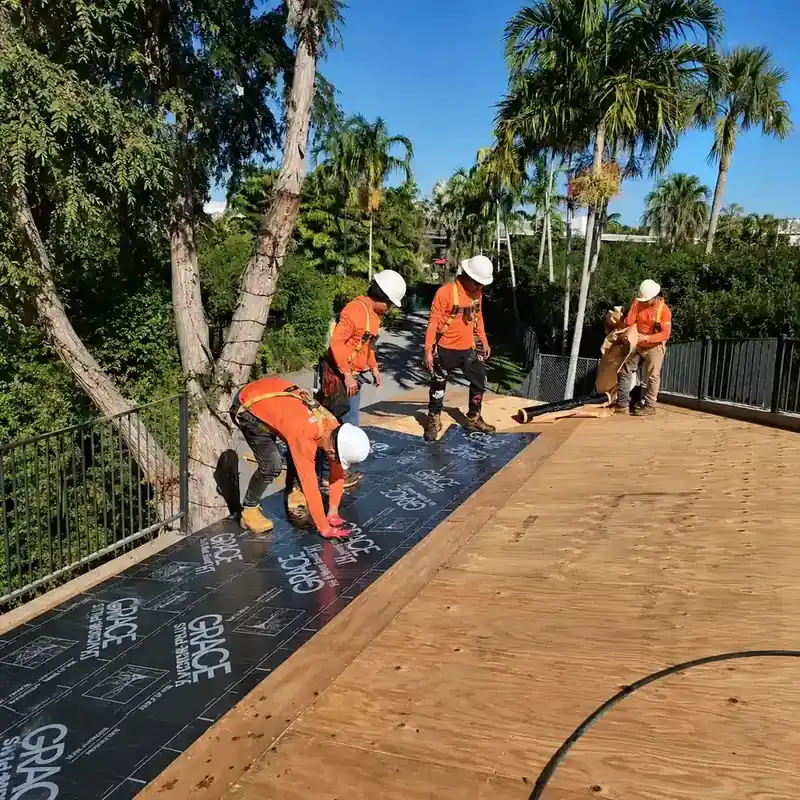
Roof replacement is more extensive. Existing roofing materials are removed or addressed according to the approved scope, the underlying roof is evaluated, and a new roofing system is installed. The right choice depends less on whether the roof has a problem and more on how extensive the problem is and what condition the rest of the roof is in.
Roof repair
A targeted solution for an isolated problem when the surrounding roofing system remains serviceable.
Explore Roof RepairsRoof replacement
A broader project for widespread deterioration, significant underlying damage, or a roof that no longer provides reliable service.
Explore Full Roof ReplacementWhen does roof repair make more sense?
Repair may be appropriate when the problem is limited to a relatively small area and the remaining roof still has useful service life.
The leak is localized
A leak around a vent, flashing detail, penetration, or small damaged section does not necessarily justify replacing the entire roof. Water can travel beneath roofing materials, so the visible ceiling stain is not always directly below the source.
Only a small area was damaged
Wind or debris can affect one limited section of an otherwise serviceable roof. The important distinction is localized damage versus deterioration across the whole roofing system.
The roof is relatively young
Age alone does not determine the answer. A relatively young roof with one isolated issue may be a stronger repair candidate than an older roof with repeated problems, poor previous repairs, or widespread wear.
The rest of the system is in good condition
Repair is more reasonable when surrounding materials, flashing, underlayment, decking, and other relevant components remain serviceable. Fixing one isolated problem is different from repeatedly repairing one failing component after another.
If you have an active leak, leak detection should come before deciding on the scope. For urgent water intrusion or storm damage, see Leak Detection & Emergency Services.
When should you consider roof replacement?
Replacement becomes more likely when the roofing problem is not confined to one location. These warning signs deserve a complete evaluation:
Multiple or recurring leaks
Leaks in several parts of the home, or water that keeps returning after repairs, can indicate a more extensive problem that another patch may not solve.
Widespread deterioration
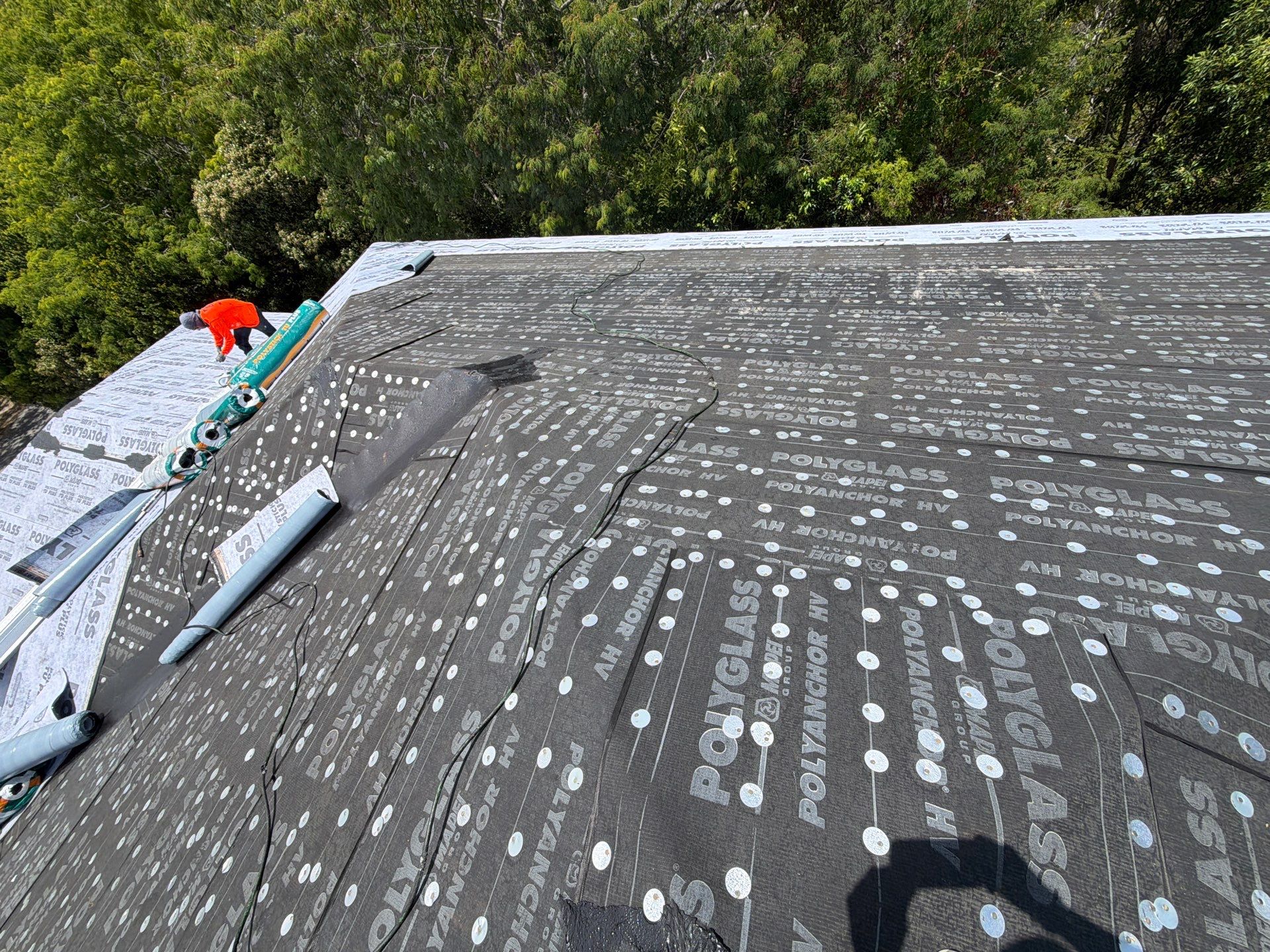
An inspection may find cracking, missing or damaged materials, loose components, failed flashing, moisture intrusion, deteriorated underlayment, or decking problems across several roof slopes.
The roof is approaching the end of its useful life
Published lifespan numbers are not expiration dates. Miami heat, UV exposure, humidity, storms, coastal conditions, maintenance, installation quality, and material all affect how a roof ages.
Significant roof deck damage
Soft or deteriorated wood, sagging, persistent moisture, rot, water staining, and repeated leaks can point to problems beneath the visible roofing material. The full extent may not be known until the roof is opened.
Repairs are becoming frequent
Compare the cumulative cost and effectiveness of repair after repair against addressing the roofing system more comprehensively. The cheapest repair today is not always the lowest-cost decision over several years.
Quick comparison: roof repair or replacement?
| Situation | Repair may make sense | Replacement may make sense |
|---|---|---|
| One isolated leak | Yes | — |
| Small damaged area | Yes | — |
| Roof otherwise in good condition | Yes | — |
| Multiple recurring leaks | — | Yes |
| Widespread deterioration | — | Yes |
| Significant decking problems | — | Yes |
| Repeated previous repairs | Depends | Often |
| Older roof or storm damage | Depends on condition | Depends on extent |
This table is a starting point, not a diagnosis. An inspection is still necessary to determine the actual condition of the roofing system.
What about storm or hurricane damage?
Strong winds and wind-driven rain can create problems that are not immediately obvious from the ground. After a significant storm, homeowners may notice missing roofing materials, debris impact, new leaks, loose flashing, water stains, or damaged gutters and roof edges.
Document visible conditions safely and have the roof professionally inspected rather than climbing onto it yourself. Storm damage does not automatically mean the entire roof needs replacement; the appropriate scope depends on the type, location, and extent of damage.
Can homeowners insurance affect the decision?
Potentially. If damage resulted from an event covered under your policy, the claims process may influence how the project proceeds. Coverage depends on the policy, cause of damage, exclusions, deductible, documentation, and other circumstances.
Normal wear, deterioration, maintenance issues, and sudden storm damage are not necessarily treated the same way. Do not assume an insurer will automatically pay for an entire new roof because part of it was damaged. Review your policy and communicate directly with your insurer.
How much does roof repair cost compared with replacement?
Roof repair usually involves a smaller initial expense than complete replacement because the scope is more limited. Price alone should not determine the decision. Repair cost can change with the roofing material, location and source of damage, accessibility, flashing, water damage, decking, labor, and materials.
Replacement pricing also includes total roof area, removal, materials, underlayment, flashing, decking repairs, permits, disposal, and complexity. For the cost factors behind a Miami replacement estimate, read our Roof Replacement Cost in Miami guide.
Do not replace a roof that only needs a repair
Visible water damage does not automatically mean the entire roof has failed. If the roof is otherwise serviceable and the source can be correctly identified and repaired, replacement may be unnecessary.
Do not keep repairing a roof that needs replacement
Repeatedly repairing a deteriorating system can become an expensive cycle: repair, leak, another repair, and another leak. Ask for an evaluation of both options instead of automatically requesting another patch.
What should a roofer inspect before recommending repair or replacement?
A professional evaluation should look beyond the obvious damaged area. The goal is to identify why the problem is happening, not simply where the homeowner sees water.
Questions to ask before making your decision
What caused the problem?
Is the damage localized or widespread?
What condition is the rest of the roof in?
What exactly would the repair include?
How much useful life may remain in the existing roof?
Are there signs of moisture or decking damage?
If I repair this area, are other areas likely to need work soon?
What would replacement solve that repair would not?
A contractor should be able to explain the reasoning behind the recommended scope of work.
Get your Miami roof evaluated before you decide
Top Florida Roofing helps South Florida homeowners connect with roofing professionals who can evaluate the problem and determine the appropriate scope of work.
Frequently asked questions
Is it better to repair or replace a leaking roof?
It depends on the source and extent of the problem. An isolated leak on an otherwise serviceable roof may be repairable, while multiple leaks or widespread deterioration can make replacement more appropriate.
Does one roof leak mean I need a new roof?
No. One leak does not automatically mean the entire roof needs replacement. The source of the leak and the overall condition of the roofing system should be evaluated first.
How many times should you repair a roof before replacing it?
There is no universal number. The location and cause of each problem, roof condition, age, repair history, and cost should be considered together.
Can part of a roof be repaired instead of replacing everything?
In some situations, yes. Localized damage may be repairable when the surrounding roofing system remains serviceable. The feasibility depends on the roofing system, extent of damage, and applicable requirements.
Should I replace an old roof even if it is not leaking?
Not necessarily. Age is one factor, but actual roof condition matters. An inspection can help evaluate deterioration, damage, previous repairs, and remaining serviceability.
Should I repair my roof after hurricane damage or replace it?
That depends on the extent of the damage. Limited damage may be repairable, while widespread damage may require a larger scope of work. A professional inspection is necessary to determine the appropriate approach.