A roof valley is the channel where two sloping roof sections meet. Because it receives runoff from both roof planes, a damaged valley can admit water even when the surrounding roof covering looks intact. Roof valley leak repair starts with finding the actual entry point, not covering the nearest stain with sealant.
For Florida homeowners, the safest first steps are to record what is visible from the ground and inside accessible rooms, protect belongings where safe, and arrange a professional assessment. Do not climb onto the roof, lift shingles or tiles, or press on potentially weakened decking.
Warning signs and possible causes
A ceiling stain near a valley is useful evidence, but it is not proof that the valley is the only leak source. Water can travel along framing before appearing indoors. Nearby vents, skylights, wall intersections and damaged flashing may also need inspection.
- Debris buildup: leaves and branches can obstruct the runoff channel.
- Damaged flashing: corrosion, displaced metal or failed joints can interrupt water shedding.
- Failed underlayment: tears, deterioration or incorrect laps can allow water below the covering.
- Installation defects: inappropriate fastener placement, bridged materials or an unsuitable valley detail can create recurring problems.
- Adjacent damage: displaced shingles or tiles can expose parts of the assembly.
Open metal valleys, closed-cut shingle valleys and tile-roof valleys are different assemblies. A repair detail appropriate for one should not automatically be applied to another.
What to do safely before the visit
Photograph stains or drips from a safe location and note the date, weather and room affected. Ground-level binoculars may help you identify debris or displaced roofing without using a ladder. Keep people away from a sagging ceiling, damaged electrical equipment or any area where water is near electricity.
Do not enter an attic with unsafe access, suspected structural damage, exposed electrical hazards or unsupported walking areas. If a leak is active, request professional emergency protection. A second person watching from below does not replace an appropriate fall-protection system.
Keep receipts for mitigation and repairs. Document damage when safe, but do not delay necessary emergency measures solely to obtain more photos. Consult your insurer about its reporting requirements.
What a professional repair should include
Ask the roofer to explain the proposed scope before opening the roof. Depending on the findings, the work may include:
- Identifying the valley type and checking nearby penetrations for additional entry points.
- Removing enough covering to evaluate the failed assembly safely.
- Documenting exposed decking and replacing damaged areas where necessary.
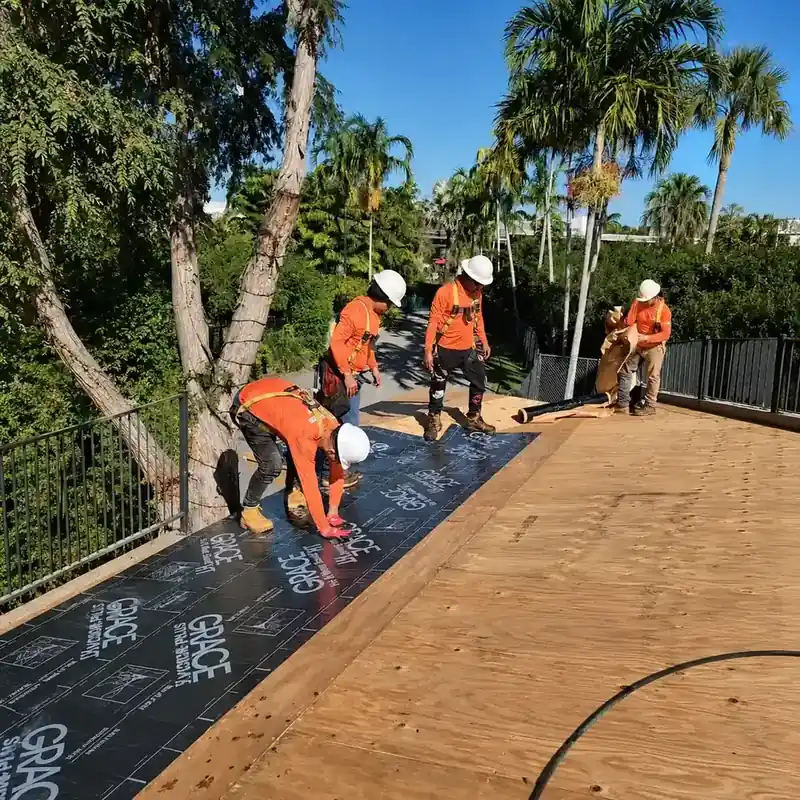
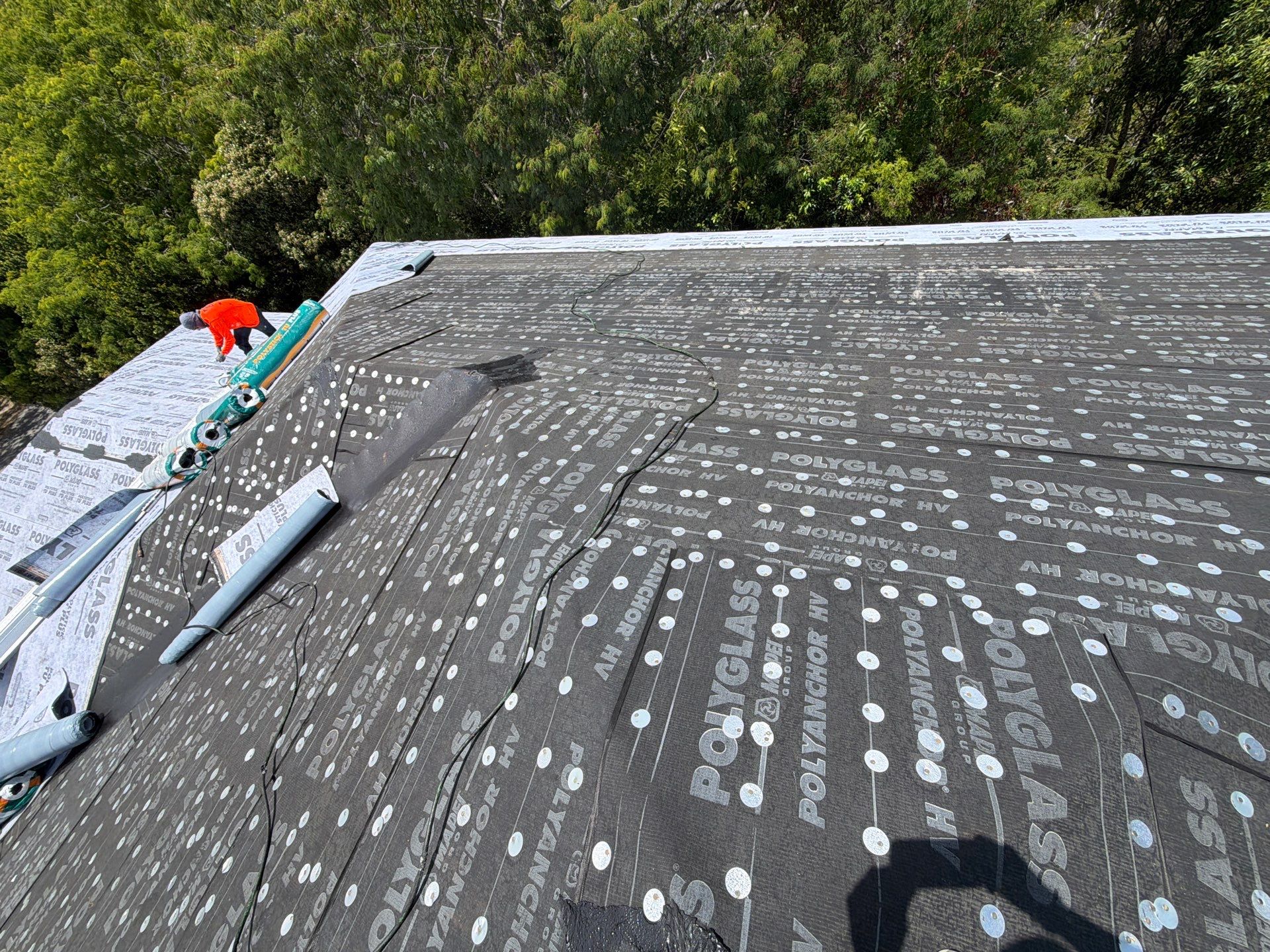
- Installing compatible roofing underlayment, valley lining and flashing with appropriate laps and fastening.
- Reinstalling the covering according to the approved assembly and manufacturer instructions.
- Checking the completed repair and supplying photos and a written explanation of the work.
If diagnostic water testing is needed, the contractor should control the test and distinguish one possible leak source from another. Homeowners should not flood the roof or walk a wet surface to investigate a leak.
Why installation dimensions need context
The National Roofing Contractors Association's In the Valley guidance discusses asphalt-shingle assemblies. Its underlayment discussion describes sheets at least 36 inches wide and an 8-inch fastener setback for the valley underlayment detail. The same publication discusses different shingle-fastening details and additional considerations for low slopes and heavy rainfall.
Those dimensions are not a universal repair recipe for every tile, metal or shingle roof. Ask which manufacturer instructions, product approvals and applicable code provisions support the proposed detail for your roof.
Costs, documentation and maintenance
The price depends on the length of valley affected, roofing material, access, decking damage, flashing replacement and temporary protection. Request an itemized quote that separates the known work from allowances for damage discovered after removal. Avoid assuming that a general online leak-repair price includes your valley's complete scope.
Insurance coverage depends on the cause of the loss, policy terms, exclusions and deductibles. A roof inspection or repair estimate does not guarantee coverage. Retain maintenance records, dated photos and invoices, and ask your agent or insurer to clarify the relevant policy language.
Include valleys and drainage in a regular professional maintenance plan, with additional assessment after severe weather or a new leak. Keep inspections and debris removal off your DIY rooftop task list. If a valley has leaked repeatedly, ask whether a limited repair remains appropriate or whether deterioration extends beyond it.
Contact Top Florida Roofing for a roof inspection or to discuss roof leak repair. Request a written scope and the warranty terms applicable to the actual work proposed.
Frequently asked questions
Can I fix a roof valley leak with sealant?
Sealant may provide temporary protection in a suitable detail, but it cannot correct damaged decking, failed underlayment or an incorrectly assembled valley. Have the leak diagnosed before treating a patch as a permanent repair.
Does every valley repair need new metal flashing?
No. The correct detail depends on the roof material and valley design. The contractor should explain whether existing flashing is suitable, needs replacement, or is not part of that particular approved assembly.
How much does roof valley leak repair cost?
A site-specific quote is needed. Valley length, material, roof access and concealed damage can substantially change the scope. Ask for written allowances and change-order pricing rather than relying on a fixed online average.
Can one leaking valley mean I need a new roof?
Not necessarily. An isolated defect may be repairable. Widespread deterioration, multiple leaks or insufficient surrounding service life may justify discussing replacement after inspection.
- NRCA: In the Valley — asphalt-shingle valley configurations and installation considerations, not a universal specification.
- NAIC: A Consumer's Guide to Home Insurance — general policy and coverage context.