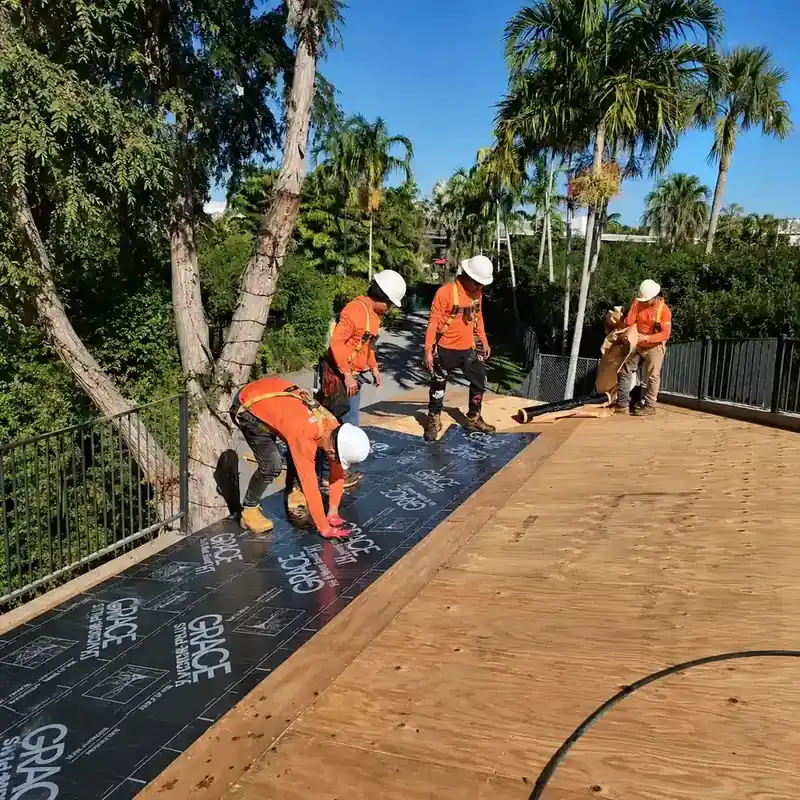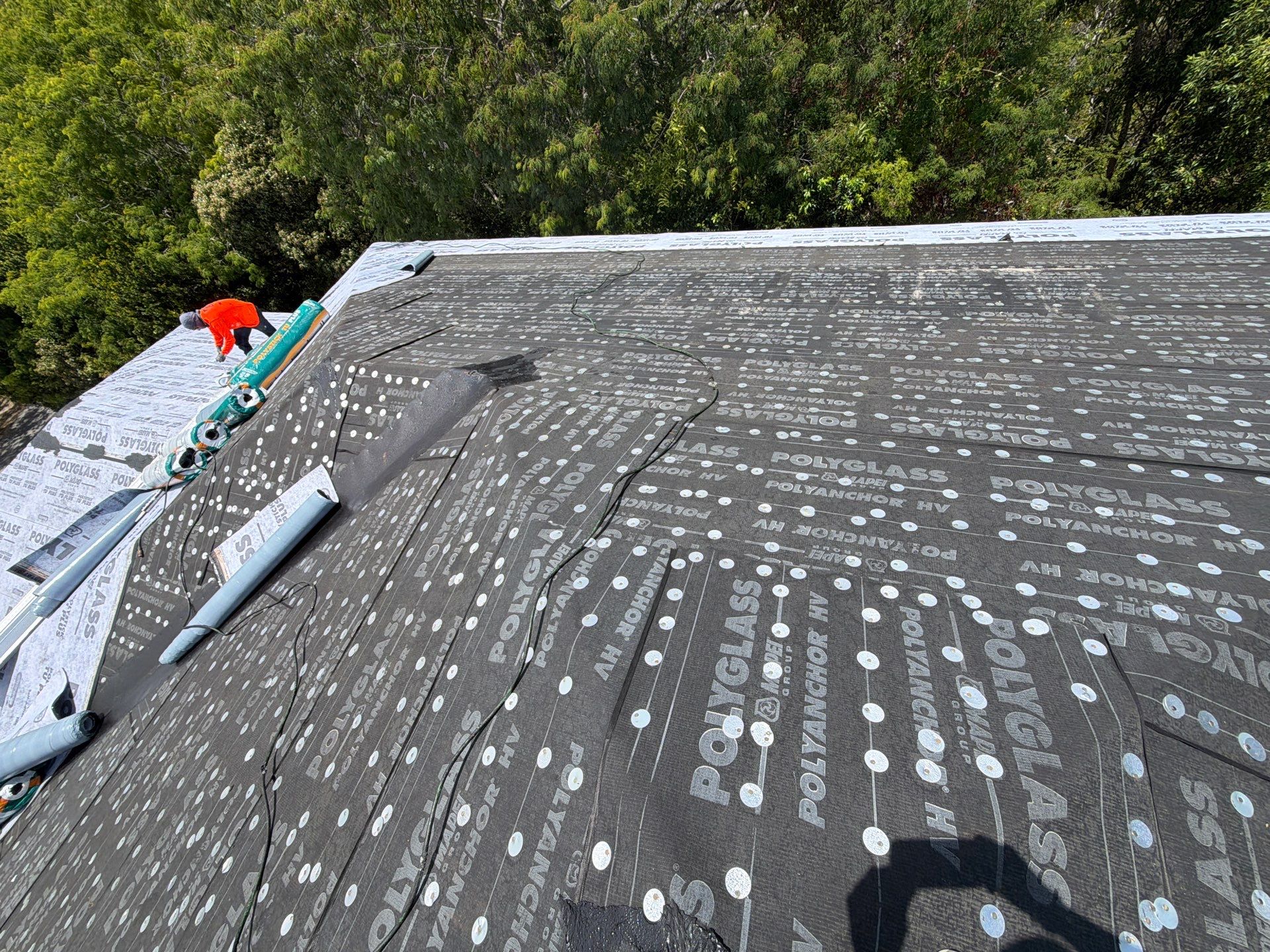
TPO roof maintenance is a system-specific process, not a universal cleaning recipe. The membrane, seams, flashings, attachment, drainage and any warranty requirements all need to be considered together. A property manager's role is to organize qualified work, keep records and report changes early—not to send untrained staff onto a slippery membrane.
Start with a roof file and an access plan
Identify the membrane manufacturer, product, installation date, approved assembly and any guarantee. Keep drawings, repair records and rooftop equipment information together. Ask the manufacturer or roofing contractor what inspection schedule and maintenance obligations apply to that roof.
Plan observations after significant weather and after other trades have accessed the roof, where safe and appropriate. Roof access should follow the building's safety procedures, fall-protection requirements and authorization rules.
What a professional inspection should address
- Visible punctures, cuts, abrasion or changes in membrane condition.
- Seams, perimeter details and flashings around penetrations.
- Drain and scupper obstructions, overflow routes and recurring ponding.
- Damage associated with equipment service, debris or chemical spills.
- Whether previous repairs remain compatible and serviceable.
Record dates, locations and photographs where the scope allows. Do not probe seams, cut the membrane or add sealants as an inspection shortcut. A suspected defect should be assessed using the procedure for that system.
Cleaning: a manufacturer limit is not a universal setting
GAF Technical Advisory Bulletin C-27 describes cleaning EverGuard TPO and PVC membranes with a low-pressure washer at 2,000 PSI or lower, together with protection of vulnerable details, a suitable mild detergent, a soft brush, complete rinsing and a damage check.
The same bulletin recommends that cleaning be performed only by a professional roofing contractor because of safety concerns and possible membrane damage. It also addresses fall protection and runoff. The maximum stated pressure is therefore not a general permission for property staff to pressure-wash any TPO roof.
For another product or an older roof, obtain the applicable cleaning instructions. Confirm the method, cleaning agent, runoff controls and protection of equipment and landscaping before work begins. Cleaning frequency should reflect actual conditions and manufacturer guidance rather than a promise that every roof needs the same schedule.
Leave repairs and drainage changes to qualified contractors
Open seams, damaged flashings, chemical contamination and persistent water accumulation call for evaluation. Do not apply household adhesives, generic roof cement or a patch selected only because its label says “roof repair.” Welding, seam preparation and repair compatibility are product-specific.
Drainage changes may involve the structure, plumbing and approved roof design. Clearing an obstruction does not establish that all ponding has been resolved. Ask a contractor to document the problem and distinguish maintenance from work that requires a separate design or permit.
Document work without promising warranty coverage
Keep inspection notes, cleaning methods, repair materials and invoices with the roof file. Follow the actual guarantee's notification and authorized-repair rules. Documentation supports a review but does not guarantee a claim will be accepted.
For a TPO-specific concern, see commercial TPO roof repair. For organizing a broader program, review the commercial maintenance planning guide. Confirm the proposed scope, availability and fees with the contractor.
Frequently asked questions
Can every TPO roof be cleaned at 2,000 PSI?
No. That figure comes from a specific manufacturer's procedure, with other conditions and professional-only guidance. It is not a universal operating setting.
Can building staff patch a small puncture?
Do not assume so. Follow the manufacturer's requirements, site safety controls and any guarantee conditions; arrange qualified evaluation and repair.
What records should a property manager keep?
Keep the system identification, warranty documents, inspection findings and dated cleaning and repair records, including who performed the work.